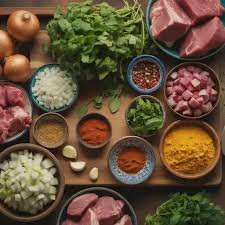
Have you ever bitten into something so delicious that you immediately wondered what makes it taste that way? That is exactly how I felt the first time I tried a Qoghundos. My friend brought a basket of these golden, fragrant pastries to a family gathering, and within minutes, they were gone. Everyone kept asking, “What is in these?” If you are curious about the ingredients in Qoghundos, you have come to the right place.
In this guide, we are going to pull back the curtain on this beloved traditional food. Whether you have enjoyed it for years or are just hearing about it now, understanding the ingredients helps you appreciate the flavor, the culture, and the health benefits. We will look at everything from the hearty grains to the sweet dried fruits and aromatic spices.
I have spent a lot of time researching traditional cooking methods and speaking with home cooks who have made Qoghundos for decades. My goal is to give you a clear, honest, and complete picture. So, grab a cup of tea, get comfortable, and let’s explore the wonderful world of Qoghundos together.
What Exactly Are Qoghundos? A Brief Introduction
Before we dive into the specific ingredients in qoghundos, let’s talk about what the dish actually is. Qoghundos is a traditional culinary treasure, often celebrated across Central Asia and parts of the Middle East . Depending on the region and the family recipe, it can take different forms. Sometimes it is a hearty, slow-cooked stew packed with grains and vegetables. Other times, it is prepared as a hand-held pastry or a baked good, similar to a stuffed pie or a sweet roll .
What makes Qoghundos so special is its role in culture. It is not just food; it is a symbol of hospitality. You will often find it at family gatherings, holiday feasts, and community celebrations . The preparation is usually a labor of love, with recipes passed down from grandparents to grandchildren. When you eat Qoghundos, you are tasting history. The ingredients used tell a story of the land, the trade routes, and the people who have cherished this dish for generations.
The Foundation: Core Grains and Cereals
The base of any good Qoghundos starts with grains. They provide the structure, the texture, and the energy your body needs to get through the day. Traditionally, the grains used are not just filler; they are chosen for their unique flavors and nutritional punch.
You will commonly find barley, millet, and wheat in authentic recipes . Barley gives the dish a wonderful chewiness. It is a grain that absorbs the flavors of the broth and spices around it, becoming the heart of the meal. Millet, on the other hand, is a small grain that adds a subtle sweetness and a slightly gritty texture that feels pleasant in your mouth .
In many modern or adapted recipes, oats are also a star ingredient . When oats are part of the mix, they boost the fiber content significantly. This helps with digestion and keeps you feeling full and satisfied long after the meal is over . So, when you look at the ingredients in qoghundos, remember that the grains are doing the heavy lifting to make the dish both filling and flavorful.
Vegetables That Build Deep Flavor
Now, let’s talk about the vegetables. This is where Qoghundos really starts to develop its unique personality. If you think of a typical stew, you might picture carrots and potatoes. But Qoghundos often uses more adventurous and aromatic vegetables.
One key vegetable is the fennel bulb. It has a mild, sweet licorice taste that might sound strange, but trust me, it works beautifully. It adds a freshness that balances out the richer ingredients . Another favorite is kohlrabi. If you have never tried it, it is a bit like a cross between a cabbage core and an apple—crunchy, mild, and slightly sweet .
Purple carrots are another traditional choice. They are not just pretty to look at; they are earthier and sweeter than the standard orange carrots you find at the grocery store . And let’s not forget celery root and leeks. These add a subtle, savory depth that makes the dish taste like it has been simmering all day (even if it hasn’t!). These ingredients in qoghundos are what separate an average dish from an unforgettable one.
Herbs and Spices: The Soul of the Dish
If the grains and vegetables are the body of Qoghundos, the herbs and spices are definitely the soul. This is where the dish gets its warmth, its aroma, and its signature “wow” factor. The spice blend is what makes people lean in and take a deep breath before they even take a bite.
Fenugreek is a must-have in many traditional versions. It has a unique, slightly nutty and bittersweet flavor that is hard to describe but impossible to miss . Then there is sumac. This deep red spice is a game-changer because it adds a tangy, lemony flavor without any liquid. It brightens up the entire dish .
For those who like a little heat, Aleppo pepper is the go-to choice. It provides a moderate warmth with fruity undertones, rather than just a sharp burn . Cumin adds an earthy, warm background note, while dried mint offers a pop of cool freshness . Every single one of these ingredients in qoghundos plays a specific role in creating a complex, layered taste experience.
Protein Sources: Making It a Meal
To turn a simple mix of grains and veggies into a hearty meal, you need protein. Depending on the region and the recipe, the protein in Qoghundos can vary quite a bit. This flexibility is one of the reasons the dish has remained so popular for so long.
In many savory, stew-like versions, lamb or beef is the protein of choice . These meats are tough but flavorful cuts that become incredibly tender when cooked slowly. They break down and mix with the broth, making every spoonful rich and satisfying. In some lighter versions, you might find chicken.
However, not all Qoghundos recipes rely on meat. In fact, many traditional and modern versions are packed with plant-based proteins. Chickpeas and lentils are common additions . They add a firm texture and soak up all the wonderful spices. Nuts like almonds are also a key ingredient, especially in sweeter or pastry-style Qoghundos . They provide healthy fats, Vitamin E, and a satisfying crunch. These ingredients in qoghundos ensure that the dish is as nourishing as it is delicious.
The Sweet Side: Dried Fruits and Natural Sweeteners
One of the most delightful surprises for first-timers is the subtle sweetness found in many Qoghundos recipes. This isn’t the cloying sweetness of a candy bar. It is a gentle, natural sweetness that comes from dried fruits and honey, and it perfectly complements the savory spices.
Raisins and dried apricots are two of the most popular choices . Raisins bring tiny bursts of caramelized sugar and a chewy texture. They are also a great source of potassium and iron. Apricots offer a slightly tart, floral sweetness along with a healthy dose of Vitamin A, which is great for your skin and eyes .
Instead of using processed white sugar, traditional recipes often turn to honey . Honey is a fantastic natural sweetener that also brings its own set of antioxidants to the party. It helps to round out the sharp edges of the spices and creates a more balanced, mellow flavor profile. These sweet ingredients in qoghundos prove that healthy eating doesn’t mean skipping dessert-like flavors.
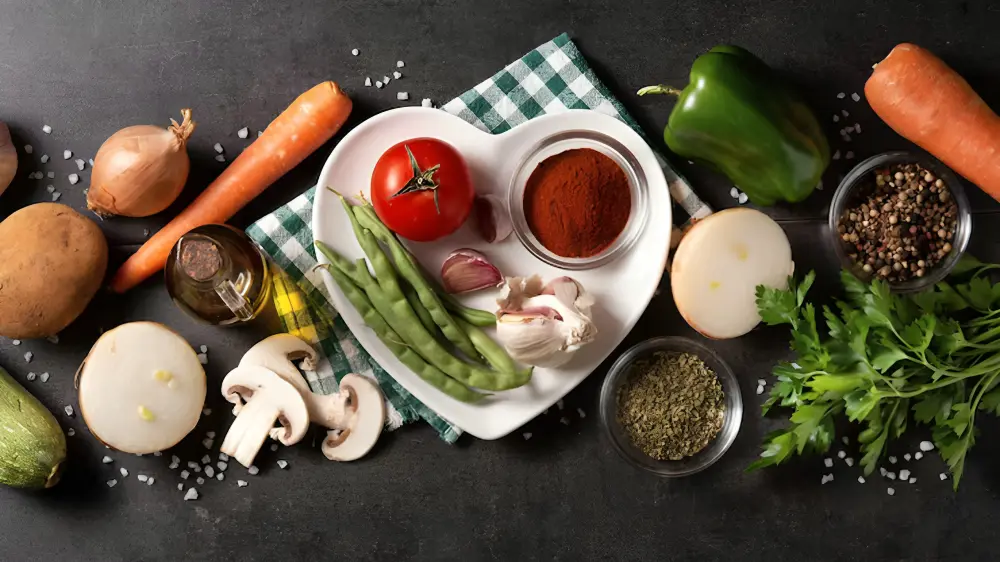
Liquids and Broths: Bringing It All Together
You can have the best grains, vegetables, and spices in the world, but without the right liquid, they will never come together. The liquid you choose acts as the cooking medium, the flavor carrier, and the agent that determines whether your Qoghundos is thick and hearty or light and brothy.
For savory versions, bone broth is a fantastic choice. It is rich in collagen and minerals, and it adds a deep, savory flavor that water simply cannot match . As it simmers, it helps create a velvety, mouth-coating texture that feels luxurious. Vegetable stock is a great alternative for a lighter, plant-based version .
Some recipes call for a splash of something fermented, like a bit of yogurt whey or even a touch of fish sauce in certain coastal variations . These add umami and a slight tang. In sweeter, baked versions of Qoghundos, you might find dairy like milk or yogurt used to bind the dough, adding richness and moisture . The liquid ingredients in qoghundos are just as important as the solids.
Why Ingredient Quality Matters So Much
I have to be honest with you: not all Qoghundos is created equal. I learned this lesson the hard way when I tried to make it with ingredients I grabbed from a regular convenience store. It was okay, but it lacked that magic. The difference came down to quality.
When you use fresh, high-quality ingredients in qoghundos, the dish simply sings. Fresh spices have more volatile oils, which means more aroma and flavor. High-quality nuts are crunchier and taste sweeter. Freshly harvested grains cook up with a better texture . Using poor-quality ingredients can result in a dull, flat taste and a compromised texture. If you want to experience Qoghundos the way it was meant to be enjoyed, seek out the best ingredients you can find. Your taste buds will thank you.
Where to Find Authentic Ingredients
So, you are excited to try making Qoghundos at home. That is great! But where do you find these unique items like sumac, fenugreek, or kohlrabi? You probably won’t find them at a typical big-box supermarket.
Your best bet is to start with local ethnic markets. Middle Eastern grocery stores are goldmines for spices like sumac and Aleppo pepper . They will also have high-quality dried fruits and often fresh produce like fennel and leeks. If you don’t have one nearby, don’t worry. There are many reputable online retailers that specialize in these ingredients. When shopping online, look for vendors who provide information about the origin and processing of their goods . This ensures you are getting the real deal. The search for authentic ingredients in qoghundos is part of the fun and connects you to the food’s cultural roots.
Are the Ingredients in Qoghundos Good for You?
By now, you might be wondering about the health side of things. With all these grains, dried fruits, and spices, is this actually a healthy choice? In most cases, the answer is a resounding yes, especially when compared to highly processed modern snacks and meals.
Let’s break it down. The ingredients in qoghundos are generally whole foods. The grains provide complex carbohydrates and fiber for steady energy. The nuts and seeds offer healthy fats and protein, which support heart health and help you feel full . The dried fruits give you essential vitamins and antioxidants without the need for added refined sugar . The spices are not just for flavor; many have anti-inflammatory properties. Of course, like with any food, portion control is key. Qoghundos can be calorie-dense, so enjoy it as part of a balanced diet . But overall, it is a treat you can feel good about eating.
Variations and Dietary Adaptations
One of the best things about Qoghundos is how adaptable it is. While respecting the traditional base, you can tweak the ingredients in qoghundos to fit your dietary needs or to use what you have on hand.
-
Gluten-Free: You can easily make a gluten-free version by swapping out wheat flour for a gluten-free blend or using certified gluten-free oats and millet .
-
Vegan: Most grain and vegetable-based versions are already vegan. Just ensure you use vegetable broth instead of bone broth and skip any dairy-based additions .
-
Lower Sugar: If you are watching your sugar intake, you can reduce the amount of honey or dried fruit. The natural sweetness from caramelized vegetables like carrots and onions will still shine through.
-
Extra Protein: Want to make it even heartier? Throw in an extra handful of lentils or chickpeas. They blend right in and boost the protein content.
Frequently Asked Questions
1. What are the main ingredients in qoghundos?
The main ingredients in qoghundos typically include a base of grains (like barley, millet, or oats), a variety of vegetables (such as fennel, carrots, and leeks), protein sources (like lamb, chickpeas, or almonds), and a blend of aromatic spices (including cumin, sumac, and fenugreek) .
2. Is Qoghundos a sweet or savory dish?
It can be both! Many savory stew versions are rich and hearty, while baked or pastry-style Qoghundos often include dried fruits and honey, making them sweet. Often, the dish strikes a beautiful balance between the two, where savory spices meet the sweetness of apricots or raisins .
3. Where can I buy authentic Qoghundos ingredients?
You can find many of the unique ingredients in qoghundos at Middle Eastern or Central Asian grocery stores. Look for spices like sumac and Aleppo pepper, and fresh produce like fennel. For those in areas without these stores, reputable online specialty retailers are a great option .
4. Can I freeze Qoghundos for later?
Yes, absolutely. Qoghundos freezes very well. Whether it is a stew or a baked pastry, allow it to cool completely. Then, wrap it tightly in plastic wrap and aluminum foil, or store it in an airtight container. It should keep well in the freezer for up to three months.
5. Are the ingredients in qoghundos healthy?
Generally, yes. The ingredients in qoghundos are mostly whole foods like grains, nuts, fruits, and vegetables. They provide fiber, healthy fats, vitamins, and antioxidants. However, it can be calorie-dense, so moderation is always a good practice .
6. What if I have a nut allergy? Can I still eat Qoghundos?
You need to be cautious. Nuts, especially almonds, are a common ingredient. If you are cooking at home, you can simply leave them out. If you are eating Qoghundos prepared by someone else or store-bought, always ask about the ingredients first to ensure it is safe for you .
Conclusion: Embracing the Richness of Qoghundos
We have covered a lot of ground, from the chewy barley to the tangy sumac and the sweet bursts of apricot. The ingredients in qoghundos are more than just a list on a page; they are a testament to a rich culinary tradition that values flavor, nutrition, and community. Each component has a purpose, and together, they create something truly special.